
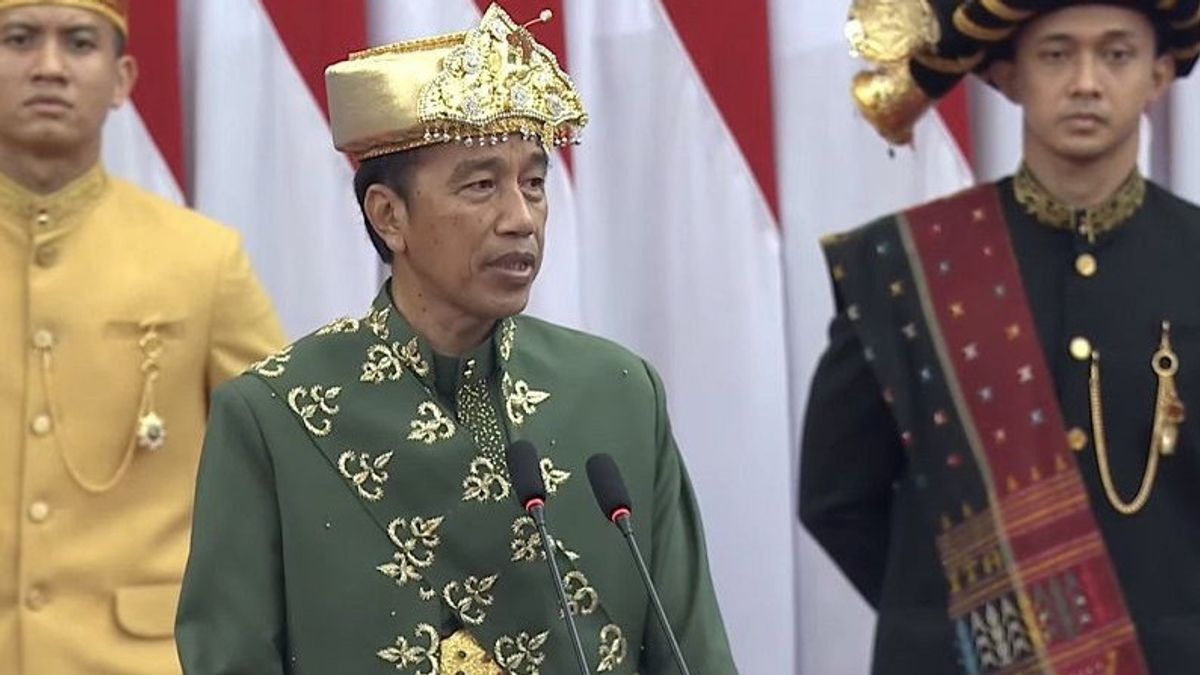
President Joko Widodo (JOKOWI) is deemed to have acted little to arise for rights in 2022, as said in the annual international file 2023 of the Human Rights Watch (HRW) released on thursday, january 12.
The 712-page report says that indonesia changed into one of the international’s international locations with a document from the business enterprise centered in ny, which noted; “president Joko Widodo “JOKOWI” , whose term runs till 2024, did little to rise up for rights throughout the 12 months. His government turned into distracted as it struggles to finance a us$30-billion mega mission to move the flood-ridden and congested country wide capital from jakarta to a faraway location in kalimantan.”
In march ultimate year, the commission for lacking persons and victims of violence (kontras) formally noted the potential human rights violation because of the relocation of the capital metropolis from jakarta to kalimantan. Many of the myriad of aspects that might be impacted have been participation rights, the shortage of get entry to to facts, a wholesome environment, and a misplaced experience of security.
But, the president defended that the relocation become based totally on the precept of economic fairness and the intention to break the java-centric financial system.
“if we don’t dare make the transformation nowadays, we are able to always have problems to grow to be a developed usa,” stated Jokowi at an occasion in jakarta that introduces the brand new capital metropolis of nusantara as a new history for a brand new civilization in october 2022.
Within the human rights watch report, indonesia’s dealing with of issues arising in papua changed into additionally cited.
“navy and police abused rights throughout the country with impunity, particularly in papua and west papua provinces wherein diplomats, overseas rights monitors, and worldwide media are in large part excluded,” the report wrote.
HRW particularly highlighted the brand new crook code that was issued ultimate month, which, in line with the record, changed into rejected by using indonesian civil society groups and groups. It is feared that the "dwelling law" article can be interpreted as which include commonplace crook regulation and sharia (islamic regulation) policies at the local degree, which include masses of rules and policies that discriminate in opposition to women, spiritual minorities, and lgbt agencies.